Your Gut Isn’t Actually Your “Second Brain” (But It’s Still Talking to Your Mood)
The Seductive Myth of the “Second Brain”
You’ve probably heard it before: your gut is your “second brain.” It’s a phrase that gets tossed around wellness circles with the kind of reverence usually reserved for ancient wisdom, and honestly, I understand why it’s so appealing. When you’re dealing with anxiety that seems to live in your stomach, or when stress literally makes your digestive system revolt, it feels like your gut has a mind of its own. The metaphor clicks because it captures something we all recognize in our bodies.
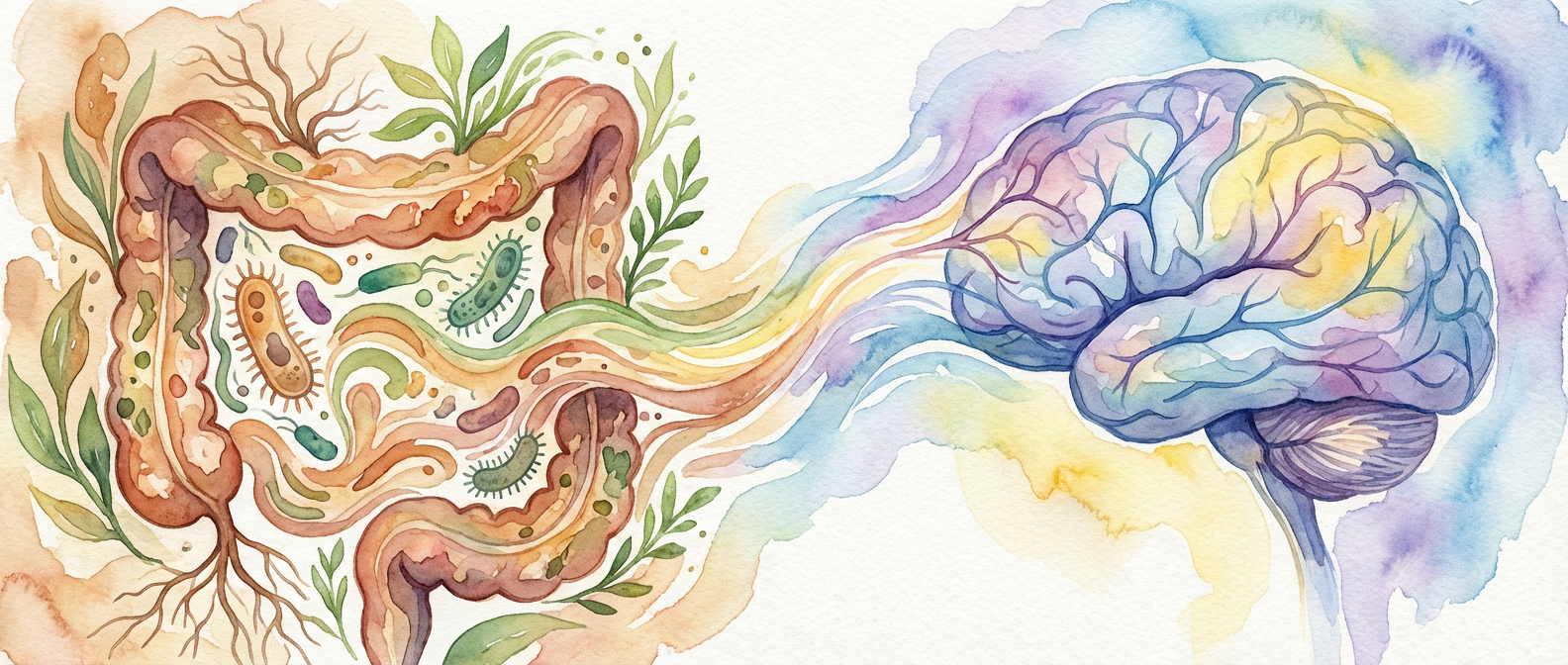
But here’s where things get muddy. While your gut does have an impressive network of neurons called the enteric nervous system, calling it a “second brain” oversimplifies what’s actually happening. This oversimplification has led to some pretty misleading claims about how dramatically changing your gut bacteria can transform your mental health overnight. The reality is messier, and frankly, more interesting than the myth suggests.
The enteric nervous system has about 500 million neurons, which sounds impressive until you realize your actual brain has roughly 86 billion. Your gut’s nervous system is sophisticated enough to control digestion on its own, but it’s not processing complex thoughts or emotions the way your brain does. What it is doing is participating in a complicated communication network that influences how you feel. That’s where the real science gets fascinating.

How Your Gut Actually Talks to Your Brain
The gut-brain connection operates through several pathways that work together like a complex telephone system. The vagus nerve is the primary highway, carrying signals both directions between your digestive tract and your brain stem. But it’s not just electrical signals traveling this route. Your gut bacteria produce neurotransmitters like serotonin, dopamine, and GABA that can influence mood, though most of these don’t cross the blood-brain barrier directly.
Instead, these bacterial byproducts work through more indirect routes. Some influence the vagus nerve itself. Others affect the production of hormones and inflammatory compounds that do reach your brain. Your gut bacteria also produce short-chain fatty acids when they digest fiber, and these compounds can reduce brain inflammation and support the production of brain-derived neurotrophic factor, a protein important for mood regulation.
The immune system plays a starring role in this communication network too. About 70% of your immune tissue lives in your gut, and when your microbiome is out of balance, it can trigger inflammatory responses that your brain definitely notices. Chronic low-grade inflammation has been linked to depression and anxiety, which helps explain why gut health and mental health often seem to rise and fall together.
What the Research Really Shows About Probiotics and Mood
Here’s where I need to gently burst another bubble that’s been inflated by marketing teams and oversimplified headlines. Yes, there are studies showing that certain probiotic strains can influence mood and anxiety levels. The research on Lactobacillus helveticus R0052 and Bifidobacterium longum R0175, for example, has shown promising results for reducing anxiety and depression scores in clinical trials. But we’re not talking about miracle cures here.
The improvements in these studies are usually modest, and they’re most pronounced in people who already had elevated anxiety or depression symptoms to begin with. If you’re taking a probiotic supplement expecting it to dramatically transform your mental health, you’re likely setting yourself up for disappointment. The effects are more subtle and work best as part of a broader approach to mental wellness.
What’s more, the probiotic industry is largely unregulated, meaning the quality and viability of bacterial strains can vary wildly between products. Many supplements don’t contain the specific strains or quantities used in research studies, and some don’t contain living bacteria at all by the time they reach your medicine cabinet. This doesn’t mean probiotics are useless, but it does mean we need realistic expectations about what they can and cannot do.
The Bigger Picture: Supporting Your Gut-Brain Axis Holistically
Rather than looking for a single supplement to fix everything, the most effective approach to supporting your gut-brain connection involves several connected strategies. Dietary fiber feeds beneficial bacteria and helps them produce those mood-supporting short-chain fatty acids we talked about earlier. Fermented foods like kefir, sauerkraut, and kimchi provide diverse bacterial strains while also offering the nutrients these microbes need to thrive.
Stress management becomes important when you understand that chronic stress can literally reshape your gut microbiome, favoring inflammatory bacteria while suppressing beneficial ones. This creates a vicious cycle where stress worsens gut health, which in turn makes you more vulnerable to stress and mood difficulties. Regular practices that activate your parasympathetic nervous system like deep breathing, gentle yoga, or even just taking time to eat meals without distractions can help break this cycle.
Sleep quality profoundly affects both your gut bacteria and your brain’s ability to regulate mood. Your microbiome actually follows circadian rhythms, and when these get disrupted by irregular sleep patterns, it can affect everything from immune function to neurotransmitter production. Creating consistent sleep routines supports both ends of the gut-brain axis at the same time.
Moving Forward with Realistic Hope
The connection between your gut and your mood is real, measurable, and important. But it’s not the simple, direct relationship that wellness marketing would have you believe. Your gut bacteria influence your mood through complex, indirect pathways that we’re still working to fully understand. This means that supporting your mental health through gut health requires patience, consistency, and realistic expectations about timelines and outcomes.
The most honest thing I can tell you is that there’s no single gut health intervention that will cure depression or eliminate anxiety. But there are evidence-based ways to support the gut-brain axis that can contribute to better overall mental wellness when combined with other approaches like therapy, stress management, and sometimes medication when appropriate.
Understanding how your gut and brain actually communicate can help you make more informed decisions about your health without falling for oversimplified solutions. Your body’s systems are beautifully complex, and treating them with the attention they deserve often leads to more sustainable improvements than looking for quick fixes.
I’d love to hear about your own experiences with the gut-brain connection. Have you noticed patterns between your digestive health and your mood? What approaches have felt most helpful for you? Sometimes the most valuable insights come from paying attention to our own bodies and sharing what we’ve learned with each other.

How to Evaluate Whether a Civic Tech Project Actually Works
Why Civic Technology Needs Better Success Metrics
The Quiet Violence of Digital ID: Who Gets Left Out When Identity Goes Online
About Author
