Continuous Glucose Monitors for Non-Diabetics: The Patient’s Guide to the New Wellness Frontier
The Shift: CGMs Are No Longer Just for Diabetes Management
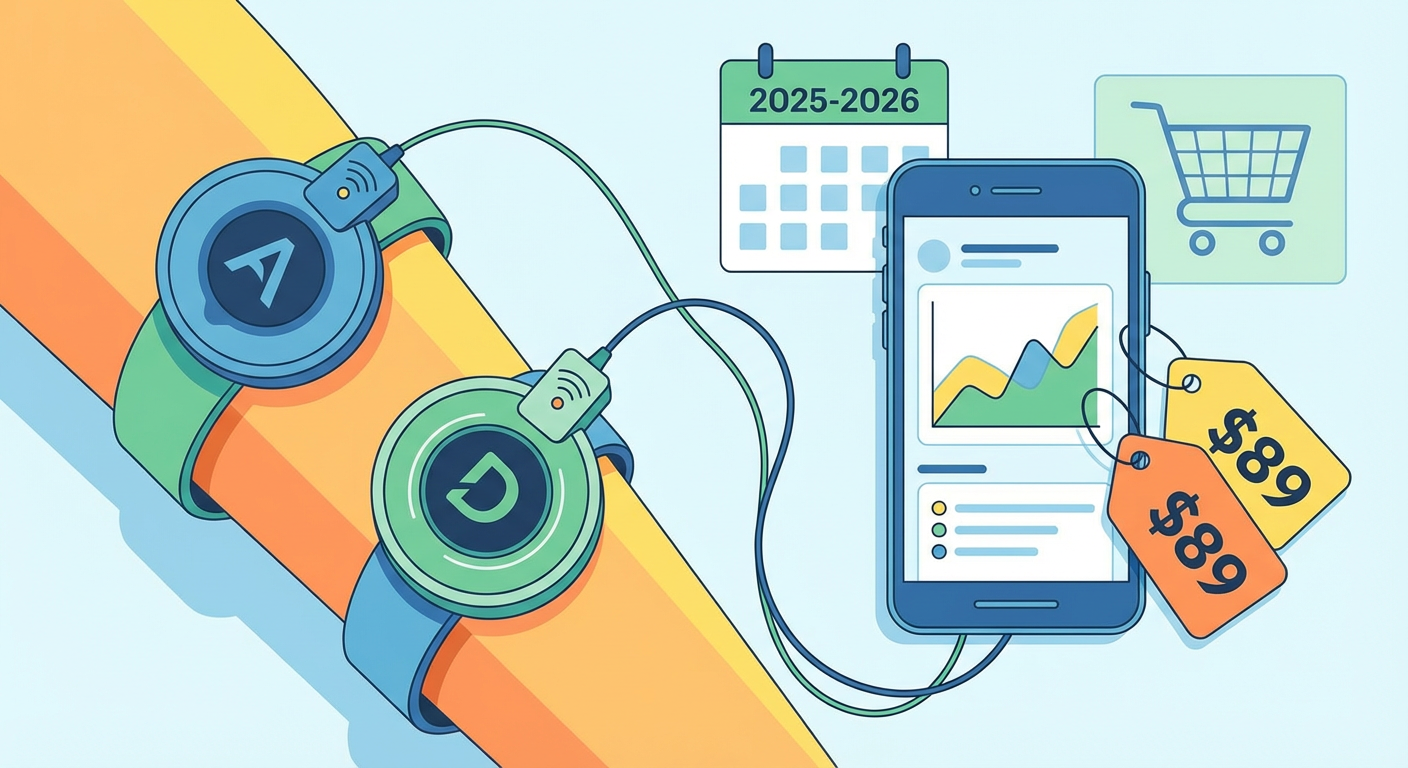
For decades, continuous glucose monitors lived in the specialized corner of diabetes care. You wore one if your pancreas needed the support. But in 2024, the FDA cleared Abbott Lingo CGM for Wellness for over-the-counter use by non-diabetic consumers, and Dexcel’s Stelo followed shortly after. These aren’t medical devices prescribed by your endocrinologist anymore. They’re wellness tools you can order online, and they cost around $89 for a two-week sensor.
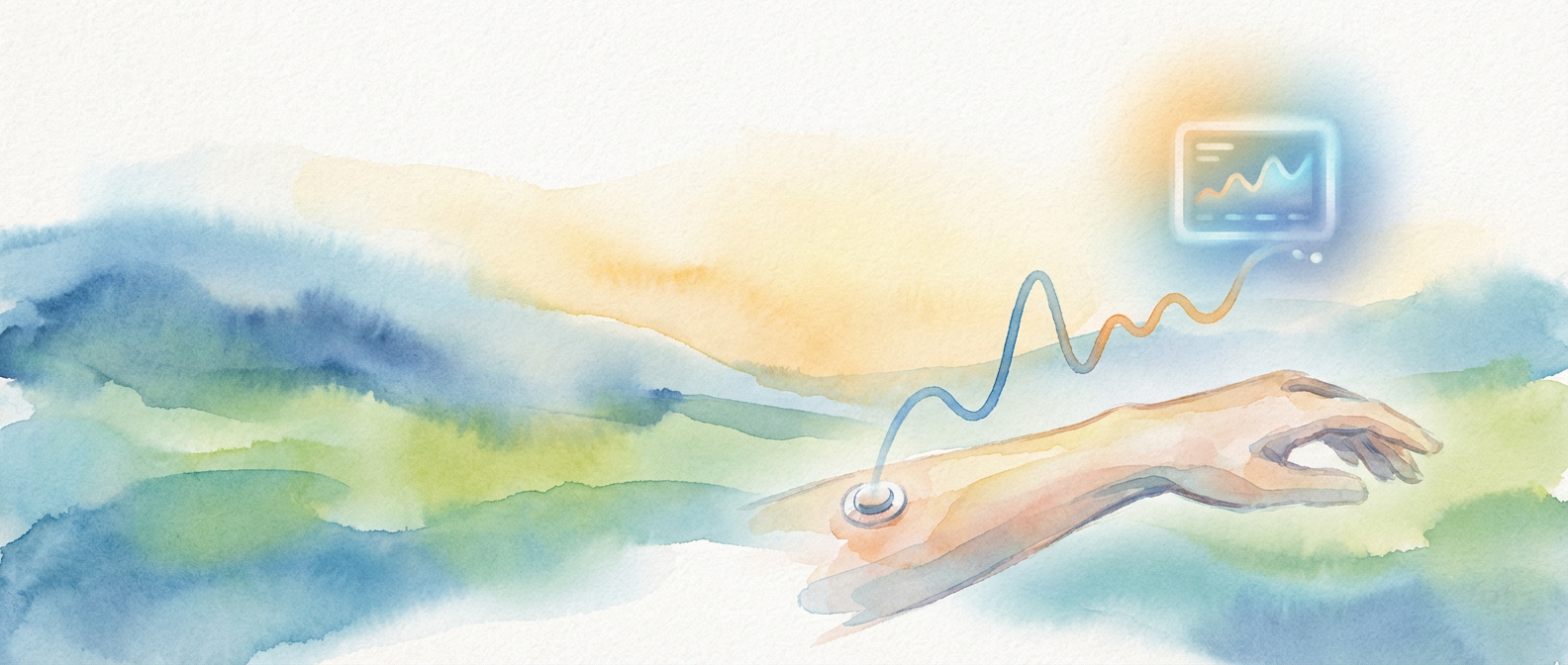
This shift matters because it’s part of a larger move toward personalized health data collection before you get sick. Instead of waiting for a diagnosis, you get to see your own biological responses in real time. That’s genuinely new territory, and it’s worth thinking through carefully before you decide whether it’s for you.
What the Research Actually Shows (And What It Doesn’t)
Here’s where the story gets interesting. A 2025 Stanford Medicine study led by Dr. Michael Snyder examined healthy adults using continuous glucose monitors and found something unexpected. Thirty-seven percent of participants who had normal HbA1c levels on standard blood tests still showed glucose spikes when wearing a CGM. These weren’t people with diabetes or pre-diabetes. They had normal metabolic markers on conventional testing, yet their glucose was clearly moving around throughout the day.
That finding created real excitement in the longevity and preventive health spaces. If you can see these patterns early, the thinking goes, maybe you can make dietary or lifestyle adjustments before they progress into actual metabolic dysfunction. The appeal makes sense: catch it, understand it, adjust it.
But here’s the part that didn’t make headlines quite as much. A 2025 paper in Nature Metabolism published some important context. Post-meal glucose spikes up to 140 mg/dL are actually considered physiologically normal in healthy individuals. Your blood sugar is supposed to rise after you eat. It’s not a sign something is wrong. The concern the researchers raised was specific: CGM data without clinical interpretation can drive unnecessary anxiety about completely normal biological responses. You get real-time data, but without someone helping you make sense of it, you might spiral into dietary restriction that doesn’t actually serve your health.
The Real Question: Will Seeing Your Data Actually Change Your Behavior?
Let’s be direct about why you might want a CGM. The best reason is this: you want to understand your individual metabolic response to food and stress and sleep, and you’re willing to do something with that understanding. You’re not seeking perfect data. You’re seeking useful data that helps you make decisions you can sustain.
Here’s what makes that distinction matter. A 2025 report from Levels Health, a company that connects users with dietitian support, found that users who combined their CGM data with consultation from a registered dietitian made more sustainable dietary changes than users who had the raw CGM data alone. Not dramatic elimination diets triggered by seeing a spike. Not obsessive monitoring of every meal. Data-informed conversations with a professional who helps you understand what normal variation looks like, what patterns actually matter for you, and what small adjustments might create meaningful change over time.
There’s also the noise factor to consider. Apple Watch Series 11, released in late 2025, introduced non-invasive optical glucose trend monitoring. It sounds like the future, and it is genuinely clever technology. But Apple was deliberately clear in their communications: this is a wellness feature, not FDA-cleared for medical decision-making. The data might be interesting, but it’s not precise enough to base real health decisions on yet. The technology exists. Knowing what it can and can’t tell you matters just as much.
Should You Actually Wear One? A Practical Framework
Honest answer: it depends on what you’re trying to accomplish and whether you can engage with data without going down a rabbit hole.
A CGM makes genuine sense if you’re experiencing afternoon energy crashes and want to understand whether your glucose is part of the story. It makes sense if you’re curious about how specific foods affect you and want individualized information rather than general dietary guidelines. It makes sense if you’re willing to work with someone qualified to interpret the data, because going it alone can lead you toward restriction and anxiety rather than sustainable health improvements.
A CGM is probably not the right tool if you’re prone to health anxiety, if you tend to optimize yourself into corners, or if you’re looking for a gadget to replace foundational health habits like sleep, movement, and stress management. The data is only useful if it leads somewhere. If it just feeds rumination, it’s expensive anxiety.
The practical approach looks like this: if you’re genuinely curious, try a two-week sensor. Note your patterns. Then schedule time with a dietitian or functional medicine practitioner who can help you interpret what you’re seeing. Ask whether the patterns you noticed actually warrant dietary change or whether they’re normal variation. Give yourself permission to get bored with the data after a few weeks. That’s not failure. That’s just the sign that the initial curiosity phase is over and you either found something worth exploring further, or you didn’t.
The Long View: Data as One Tool Among Many
The real value of continuous glucose monitoring for non-diabetics probably isn’t in the device itself. It’s in what the data represents: permission to pay attention to your own individual biology instead of just following general rules. Your blood sugar response to a particular meal might be totally different from someone else’s. Your energy dips might trace back to glucose patterns rather than just willpower. That kind of personalization is genuinely useful.
But it’s still just information. The durable changes come from the basics that never stopped being true: consistent sleep, regular movement, stress management, and eating in a way that feels sustainable to you. A CGM might illuminate one piece of that puzzle. It won’t replace the work.
What would actually help you most is probably not another device, but clarity about what you want your health to do for you and what you’re willing to do to get there. If a CGM helps you gather the information you need to make that decision, it’s worth considering. If it sounds like another way to optimize yourself into exhaustion, it’s probably not.
The door to personalized glucose monitoring is open now. You don’t have to walk through it. But if you do, go in with realistic expectations, professional support, and the understanding that the data is just one voice in a much longer conversation about taking care of yourself over decades.

The Monday Morning Metric That Predicts Your Next Burnout
The Hidden Barriers of Digital ID: Who Gets Left Out?
The Quiet Erasure: How Digital ID Systems Fail the Most Vulnerable
About Author
