Why Your Friend Count Matters Less Than Your 3 AM Text List
The Research That Changed How I Think About Friendship
Last month, I found myself scrolling through a contact list of 847 people, wondering why I felt lonely despite having what looked like a thriving social network. The answer came from an unexpected source: a Harvard study that tracked 724 people for over 80 years. The researchers discovered that the quality of our relationships affects our physical health more than exercise, diet, or even smoking. But here’s the part that stopped me cold: the protective effect kicks in with just three to five close relationships, not the dozens we see celebrated on social media.
The Framingham Heart Study, which has been following families since 1948, revealed something even more specific. People with strong social connections had a 50% lower risk of premature death. That’s equivalent to the protective effect of quitting smoking or losing 30 pounds. Yet most of us spend far more time optimizing our workout routines than we do nurturing our friendships.
The 3 AM Test: Quality Over Quantity
Dr. Robin Dunbar’s research suggests our brains can only maintain about 150 relationships total, with just five people in our innermost circle. These are your “3 AM friends” – the ones you’d call in a crisis without hesitation. When I applied this lens to my own life, that list of 847 contacts suddenly felt less impressive. I could identify maybe four people who would answer that hypothetical 3 AM call. Honestly, that felt both sobering and liberating.
The UCLA Loneliness Scale, used in countless studies, measures perceived social isolation rather than the number of friends someone has. High scorers on this scale show increased inflammation markers, elevated cortisol levels, and compromised immune function. Your body literally responds to loneliness as if it’s under physical threat. This isn’t about being an introvert versus an extrovert. It’s about having people who truly know and support you.
Building Connections That Actually Buffer Stress
The most surprising finding from friendship research isn’t that we need close relationships. It’s how specific types of support affect our health differently. Emotional support (having someone listen without judgment) reduces cortisol more effectively than practical support (having someone help with tasks). A study of 2,000 adults found that people who felt heard and understood had 23% lower levels of stress hormones, even when their practical circumstances remained unchanged.
I started applying this in my own friendships by practicing what researchers call “active constructive responding.” Instead of offering solutions when a friend shares good news or challenges, I focus first on understanding their experience. When my friend Sarah got promoted but felt overwhelmed, my instinct was to suggest time management strategies. Instead, I asked how she was feeling about the transition. The conversation that followed was deeper and more connecting than any advice I could have given.
Physical proximity matters too, but not in the way you might expect. The Framingham study found that having a happy friend who lives within a mile increases your likelihood of happiness by 25%. A happy friend who lives more than a mile away? Only 8%. This isn’t about convenience. It’s about the subtle, ongoing interactions that build real intimacy. Regular coffee dates trump occasional deep conversations when it comes to stress buffering.
The Reciprocity Sweet Spot
Healthy relationships require balance, but not the kind of scorekeeping that exhausts us. Research from the University of Michigan found that giving support actually provides more health benefits than receiving it, but only up to a point. People who gave high levels of support without receiving any back showed stress responses similar to those who had no social support at all.
The sweet spot appears to be relationships where support flows both ways over time, but not necessarily in equal measures at any given moment. During my friend Lisa’s divorce, I provided emotional support for months without expecting anything in return. Two years later, when I was navigating my own health scare, she was the one checking in daily. This long-term reciprocity creates what researchers call “social capital,” a sense of mutual investment that buffers stress more effectively than transactional relationships.
Vulnerability plays a crucial role here. Studies show that self-disclosure, sharing something meaningful about yourself, triggers a neurochemical response that increases bonding. But it has to be graduated. Sharing too much too quickly activates social rejection mechanisms. The key is matching the level of intimacy to the stage of the relationship, gradually building trust through small revelations.
Creating Space for Deep Connection
Modern friendship often happens in the margins. Quick texts between meetings, surface-level catch-ups over loud restaurant dinners. But the relationships that provide the strongest health benefits require what psychologists call “sustained unstructured time.” This means periods without agendas, distractions, or time limits where authentic connection can emerge naturally.
I’ve started hosting monthly “phone-free dinners” where we cook together and just talk. No phones, no TV, no rushing to the next thing. These evenings consistently produce the conversations that strengthen relationships. The kind where someone shares something real, or we laugh until our sides hurt, or we sit in comfortable silence. Research on mirror neurons suggests that this type of undivided attention literally synchronizes our nervous systems, creating the calm that comes from feeling truly connected.
The most practical advice I can offer based on the research: prioritize consistency over intensity. A brief check-in every week creates more bonding than a four-hour catch-up every few months. Start small, maybe one meaningful conversation per week with someone you want to know better. Notice how your nervous system responds to different types of social interaction. Pay attention to which relationships leave you feeling energized versus drained. Your body’s wisdom often recognizes supportive connections before your mind does.
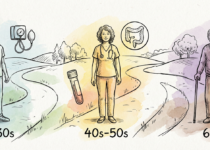
The Numbers Behind Prevention: What Health Screenings Actually Tell Us (And When They Matter Most)

Navigating the Cosmos: The Rise of Accessible Space Travel

The Dataset That Stopped Updating: A Field Method for Auditing the Open Data Portals Cities Quietly Abandoned
About Author
