Your Gut Feelings Might Be More Literal Than You Think: What Science Really Says About Your Microbiome and Mood
The Oversimplified Story We’ve Been Told
You’ve probably heard it by now: your gut is your “second brain,” and all you need to do is eat more yogurt to cure your anxiety. Social media feeds overflow with before-and-after stories of people who transformed their mental health simply by taking the right probiotic. The promise is seductive because it suggests a straightforward solution to complex emotional struggles.
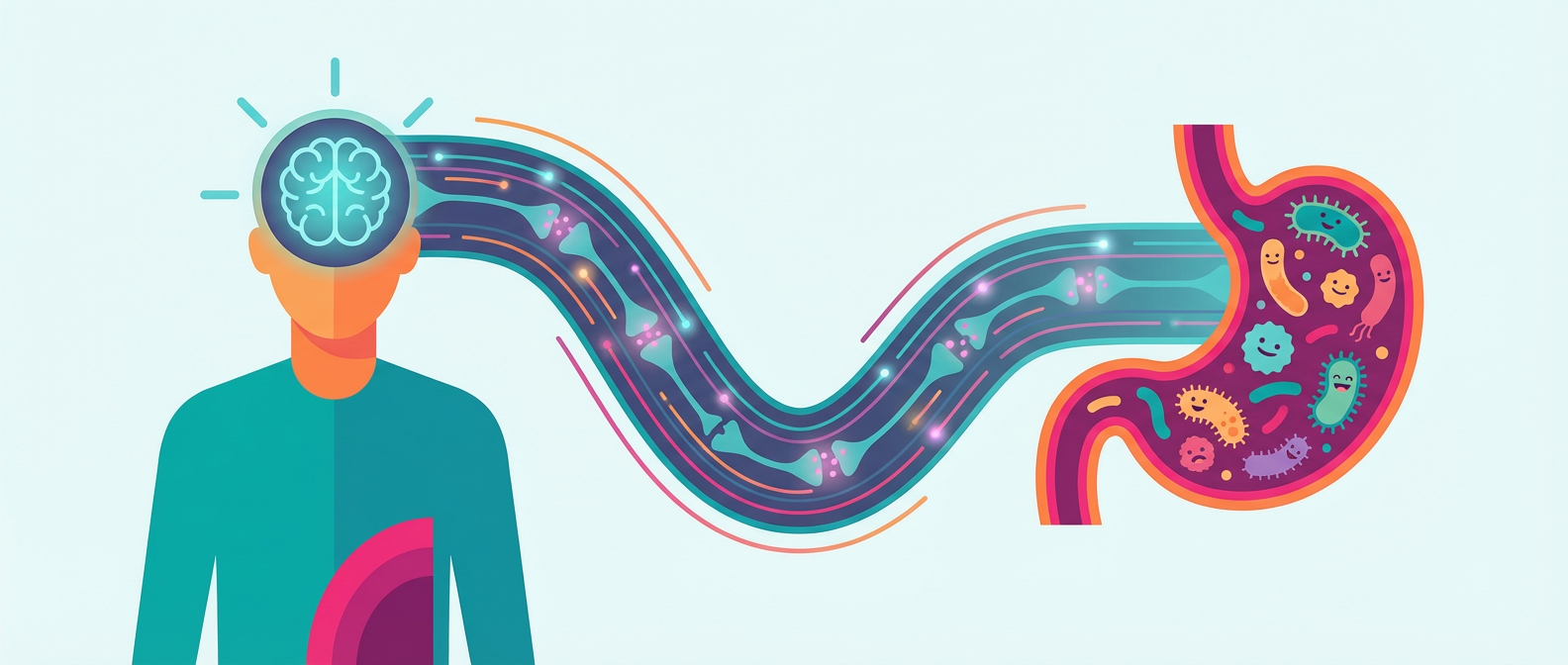
Here’s what’s actually happening. The gut-brain connection is real and fascinating, but the relationship between your microbiome and mood isn’t as simple as popping a supplement and waiting for happiness to bloom. The research shows genuine connections, but it also reveals a far more complicated picture than the wellness industry often portrays.
The truth is both messier and more hopeful than the oversimplified version suggests. Understanding what science actually tells us about this connection can help you make informed decisions about your mental and physical wellbeing, without falling prey to expensive quick fixes or unrealistic expectations.

What Your Gut Actually Does for Your Brain
Your digestive system houses roughly 100 trillion microorganisms, collectively known as your gut microbiome. These bacteria, fungi, and other microbes don’t just help digest your food. They produce neurotransmitters, influence inflammation levels, and communicate directly with your brain through what scientists call the gut-brain axis.
Research has identified specific pathways through which gut bacteria can influence mood. Some strains produce gamma-aminobutyric acid (GABA), a neurotransmitter that promotes calm and reduces anxiety. Others manufacture serotonin precursors or influence the production of short-chain fatty acids that can cross the blood-brain barrier and affect neural function.
The vagus nerve is a major communication highway between your gut and brain, transmitting signals in both directions. When your microbiome is diverse and balanced, these signals tend to support stable mood and stress resilience. When the microbial community becomes disrupted (called dysbiosis), it can contribute to inflammation and potentially influence depression and anxiety symptoms.
Here’s where it gets tricky though. Correlation doesn’t equal causation. While studies consistently show differences in gut bacteria composition between people with and without mood disorders, we can’t definitively say that changing the microbiome will cure mental health conditions. The relationship works both ways: stress and depression can also alter gut bacteria, creating a complex feedback loop that researchers are still trying to untangle.
Where the Probiotic Promise Gets Complicated
The supplement industry has seized on gut-brain research to market “psychobiotics” with claims that specific strains can treat depression or anxiety. While some studies do show promise, the reality is far more individualized than marketing suggests. Your microbiome is as unique as your fingerprint, shaped by genetics, birth method, early feeding, antibiotic exposure, diet, stress levels, and countless other factors.
Most probiotic studies use small sample sizes and short timeframes. The strains that help one person may have no effect on another, or might even cause temporary digestive upset. What’s more, many commercial probiotics don’t contain the specific strains or concentrations used in research studies, making it difficult to replicate reported benefits.
This doesn’t mean probiotics are useless, but it does mean they’re not the mental health magic bullet that some claim them to be. If you’re dealing with persistent mood issues, probiotics alone are unlikely to provide significant relief. They might be one supportive element in a broader approach to wellbeing, but they’re not a substitute for proven mental health treatments.
The Real Ways to Support Your Gut-Brain Connection
Instead of focusing solely on supplements, consider the foundational factors that actually shape your microbiome. Dietary diversity matters more than any single superfood or probiotic strain. Eating a wide variety of plants provides different fibers that feed different beneficial bacteria, promoting overall microbial diversity.
Fermented foods like kimchi, sauerkraut, kefir, and miso can introduce beneficial bacteria naturally while providing other nutrients. These foods have been part of traditional diets for centuries and offer a more food-first approach than isolated supplements. The key is consistency and variety rather than massive quantities of any single fermented food.
Managing stress through proven techniques like meditation, regular sleep, and physical activity also supports both gut health and mood directly. Chronic stress disrupts the gut microbiome and contributes to inflammation, creating a cycle that affects both digestive and mental health. Breaking this cycle requires addressing stress itself, not just trying to fix the gut in isolation.
Avoiding unnecessary antibiotics, limiting ultra-processed foods, and including prebiotic fibers from vegetables, fruits, and whole grains all support a healthy microbial environment. These approaches work together to create conditions where beneficial bacteria can thrive naturally.
A More Realistic Path Forward
The gut-brain connection represents an exciting frontier in understanding mental health, but it’s not a simple fix for complex emotional challenges. If you’re struggling with depression, anxiety, or other mood issues, working with a qualified mental health professional remains the most evidence-based first step.
Supporting your gut health can be part of an overall wellness strategy, but it works best when combined with other proven approaches like therapy, appropriate medication if needed, regular exercise, adequate sleep, and stress management. Think of gut health as one instrument in an orchestra rather than a solo performance.
The most sustainable changes often come from small, consistent actions rather than dramatic overhauls. Adding more vegetables to meals you already enjoy, incorporating gentle movement into your day, or establishing a regular sleep routine might seem less exciting than a miracle probiotic, but these foundational habits create the conditions for genuine, lasting improvements in both gut and mental health.
Have you noticed connections between your digestive health and mood? I’d love to hear about your experiences and any questions this raises for you. Sometimes the most valuable insights come from paying attention to our own patterns and sharing what we learn with others who might be wondering about the same things.

The Science of Saying No: Why Your Brain Needs Boundaries to Stay Healthy Long-Term

Cracking the Code: The Revolutionary Rise of Longevity Technology

The Math Behind Your Seasonal Eating: What 200 Studies Tell Us About Local Food and Health
About Author
