A New Dawn in Generative AI: The Art of Creation
Hey, tech enthusiasts! Let me take you on an exciting ride through the world of artificial intelligence, but with a twist. Today, we’re diving into the colorful, chaotic, and undoubtedly creative world of AI in arts. Yep, that’s right! The same technology that might someday replace your accountant is already well on its way to revolutionizing the creative sphere. So grab your AR glasses, and let’s explore this fascinating frontier together!
The Rise of AI in the Creative Realm
AI has been sneaking into the arts for a while now, like that mysterious character in a thriller movie who you first ignore but eventually turns out to be central to the plot. Remember when Deep Blue beat Kasparov in chess? Fast forward a few decades, and instead of playing chess, AI is busy painting murals, writing novels, and even composing symphonies.
But what’s changed recently is the democratization and, more importantly, the sophistication of this technology. Tools like DALL-E and Midjourney allow everyday users, not just professional artists, to create art with ease. It’s like giving everyone a magic paintbrush. Imagine Picasso sitting next to you, whispering, “Try this shade of blue,” but on steroids!
Creating With AI: Brushes, Beats, and Bytes
In the last few years, there’s been a shift in how artists and AI work together. It’s not just about “Can AI do this?” anymore. It’s “What can we do with AI that was never possible before?”
Painting the Future
Platforms like Midjourney generate detailed visual art pieces that blur the line between real and surreal. These AIs are trained on millions of existing artworks, which lets them produce unique pieces that are sometimes impossible to distinguish from human-created art. It’s not about AI taking over the easel. It’s more like AI becoming the paint itself, offering new hues, new textures, and even new dimensions.
Musical Innovations
Meanwhile, in music, AI is harmonizing with humans in incredible ways. Composers use AI to generate melodies as starting points, sparking inspiration. It’s like having a bandmate who never tires out and seemingly knows all the scales in existence. Imagine Beethoven jamming with an AI. Now that’s a concert I’d pay to stream!
Wordsmith Wizards
Over in literature, AI is no longer just a tool for Grammarly to remind us about Oxford commas. With models like OpenAI’s GPT-4, writers can co-pilot their stories, brainstorming plot twists or refining dialogue. It’s revolutionary, especially for overcoming writer’s block. Here’s a secret: behind some of the wittiest dialogues and plots, there may just be a humble AI typing away tirelessly.
The Implications: Reflections and Refractions
Of course, it’s not all unicorns and rainbows. Or should I say oil paints and melodies? There are valid concerns and implications that deserve our attention.
The Soul of Art: Threatened or Enhanced?
A pressing question is whether AI could diminish the ‘soul’ of art. Art has always been an expression of human emotion and experience. Can an algorithm truly grasp heartbreak or joy? On the flip side, some argue that AI can enhance the human experience by providing tools that expand our creative horizons exponentially.
Jobs: A New Era of Collaboration
The fear of AI replacing jobs is an age-old debate, and it’s bubbling to the surface again. While it’s true that AI might automate some aspects of artistic creation, it makes more sense to view this as a shift rather than a straightforward replacement. New roles, such as ‘AI Art Curators’ or ‘AI Collaboration Advisors,’ are emerging. Jobs will certainly change, but humans will remain essential, defining and interpreting the emotional core behind machine creations.
Ethical Quandaries
As AI shapes more of our art, ethical questions abound. Who owns an AI-created art piece? What happens when a piece created by AI accidentally mirrors an existing work? Making sure AI is used ethically, especially in the open creative commons, will be one tough riddle to solve.
Gazing Into the Digital Canvas: What’s Next?
So, where do we go from here? AI will definitely continue to challenge and change the artistic world, and probably our everyday lives too. I think we’re heading toward something that looks like a mesmerizing mural of human ingenuity mixed with machine precision.
Speculating on Future Creations
I can see a world where virtual galleries, populated by AI-generated masterpieces, become the norm. Imagine AI-enhanced theaters that adapt performances mid-act based on audience reactions. Or interactive novels co-crafted live between readers and their AI authors. The possibilities feel endless, a canvas without edges.
Join the Renaissance
This techno-renaissance invites all of us to get involved, to learn and co-create. Whether you’re an artist, a coder, or just someone who took a painting class in college, there’s a place for you. We’re all figuring out these uncharted waters together, and there’s never been a better time to shape the way technology influences creativity.
So, let’s keep creating, experimenting, and daring to embrace this digital age with open arms. After all, if we can teach machines to paint extraordinary tales from binary, imagine what wonders they’ll help us craft down the road!
What’s your take? Jump into the comment section with your thoughts. Let’s chat about how you’re planning to work AI into your creative process. Until next time, keep your pens charged and your CPUs cooler than a cucumber!

The Science of Aging: Separating Longevity Facts from the Hype
The Hidden Price of Digital ID: Who Gets Shut Out?
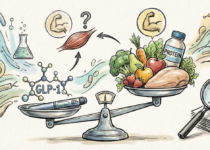
GLP-1 Drugs and Muscle Loss: What 2025 Research Actually Reveals About Your Body Composition
About Author
